Ledger Login: Complete Guide to Access Your Ledger Wallet Securely
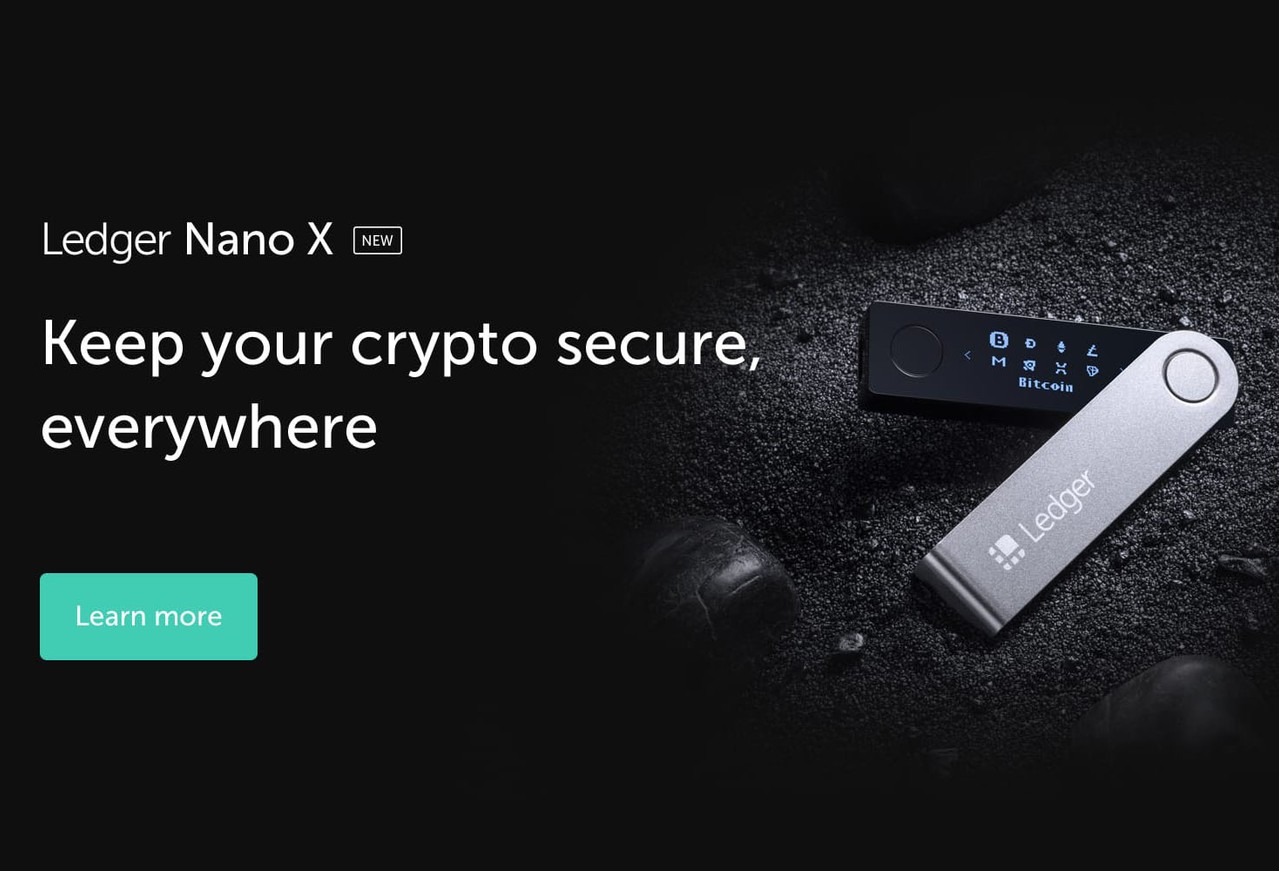
Ledger is one of the most trusted hardware wallet brands in the cryptocurrency industry. It provides secure offline storage of digital assets, protecting them from unauthorized access and online attacks. To manage assets stored on a Ledger hardware wallet, users typically connect it to Ledger Live, a software interface that allows monitoring balances, sending funds, and interacting with supported networks. Central to this ecosystem is the Ledger login process, which ensures only authorized users can access their crypto portfolios.
This complete guide explains everything about Ledger login, how to use Ledger devices safely, key security practices, troubleshooting common login issues, and tips for maximizing wallet protection.
1. Understanding Ledger Login
Ledger login does not work like a typical email-and-password sign-in. Ledger devices are designed to remain offline to ensure strong security. Instead of traditional login credentials, access is authenticated through:
The hardware device itself
A secret PIN code set by the user
The Ledger Live application for portfolio management
When a user connects their Ledger device to a computer or smartphone running Ledger Live, the device verifies identity through the PIN. Only after validation can the user approve wallet actions such as transactions, adding accounts, or signing messages. The login process ensures that digital assets cannot be accessed remotely.
Instead of passwords stored online, Ledger uses Zero Trust principles. The blockchain addresses remain public, but the private keys are always held within the hardware chip. Ledger login simply enables secure communication between the device and the transaction interface.
2. What You Need for Ledger Login
To successfully perform Ledger login, users require the following:
A Ledger hardware wallet such as Ledger Nano S, Ledger Nano S Plus, or Ledger Nano X
A USB cable to connect the device if using a wired model
The Ledger Live software installed on desktop or mobile
The correct device PIN code
The latest firmware and app updates installed on the device
Although Ledger Live can show your portfolio value without the device connected, sending or receiving crypto and accessing detailed account features generally requires device authentication.
3. Setting Up Ledger Live Before Login
If you are using Ledger for the first time, it is necessary to complete setup before login. Ledger Live guides users through onboarding:
Install Ledger Live on your computer or phone
Connect the Ledger device
Choose "Set up as new" if new or "Restore from recovery phrase" if importing an existing wallet
Create a secure PIN code
Generate a recovery phrase consisting of 24 unique words
The recovery phrase is the most important element of ownership. It is the only backup that can restore the wallet in case of damage, loss, or forgotten PIN code. The recovery phrase must never be shared or stored digitally.
After setup is complete, Ledger Live will prompt you to log in each time access is needed.
4. Ledger Login Steps for Desktop Users
On desktop computers, the process is straightforward:
Open Ledger Live on your Windows, macOS, or Linux device
Plug in your Ledger hardware wallet using the USB cable
Enter your PIN on the Ledger device
Unlock the device
Ledger Live will automatically detect and authenticate the connection
Once logged in, users can:
View balances and market values
Install apps for blockchain networks
Approve transactions
Manage staking activities
Update firmware and device apps
Any transaction request must be physically confirmed using the device buttons. This ensures full user control.
5. Ledger Login Steps for Mobile Users
Ledger Nano X offers Bluetooth support, enabling mobile login:
Launch the Ledger Live app on your iOS or Android phone
Power on the Ledger Nano X
Enter your PIN
Use Bluetooth pairing to link the devices
Authenticate and access your wallet features
Mobile access is ideal for users needing quick access to funds. Although Bluetooth provides convenience, the private keys remain inside the secure chip, never exposed wirelessly.
6. Ledger PIN Code and Its Role in Login Security
The PIN code is a crucial barrier protecting your hardware wallet. It is input directly into the Ledger device using physical buttons. Some essential rules include:
The PIN must remain confidential
It should be unique and not easily guessable
If entered incorrectly three times in a row, the device wipes itself to prevent unauthorized brute-force attempts
If this happens, users must restore the wallet using their recovery phrase. This emphasizes why the recovery phrase should be protected and backed up securely.
7. Common Ledger Login Errors and Solutions
Users may occasionally face login-related issues. Here are common problems and their fixes:
Ledger Live not recognizing the device
Update Ledger Live and device firmware
Try a different USB port and cable
Ensure that security settings like "USB accessories" are allowed on mobile devices
Close any interfering crypto software
PIN code not accepted
Ensure accurate input
If you forget the PIN, complete device reset and restore using the recovery phrase
Bluetooth connection issues
Ensure Bluetooth is enabled
Keep devices within close range
Remove and re-pair connections if necessary
Stuck on "Allow Ledger Manager" or "Unlock Ledger"
Follow device screen prompts and approve connection manually
App conflicts
Uninstall and reinstall blockchain apps on the device
Most issues are resolved through updates or correct pairing settings.
8. Security Tips for Safe Ledger Login Usage
Ledger devices are designed for strong security, but user habits can strengthen or weaken protection. Follow these best practices:
Always keep your PIN confidential
Store your 24-word recovery phrase offline in multiple secure locations
Never enter your recovery phrase on a computer, phone, or website
Avoid connecting your Ledger to untrusted devices
Verify all on-screen transaction details before approval
Enable device firmware and app updates regularly
Do not share screenshots or photos of wallet setup
Be cautious of fake customer support scams
Ledger login itself is safe, but phishing attempts target user mistakes rather than device vulnerabilities.
9. Understanding the Role of the Recovery Phrase
The recovery phrase is a master key to the entire wallet. Ledger login ensures day-to-day access but the recovery phrase determines complete ownership. Key facts:
It can restore funds on any Ledger device if lost or damaged
It must be handwritten and never stored digitally
No one from Ledger or any institution should ask for it
If someone acquires the phrase, they can steal all crypto without the hardware wallet
Some users choose metal backup solutions to protect the phrase from fire, water, or physical decay. Since Ledger login relies on the hardware wallet being in your possession, protecting the recovery phrase is equally necessary.
10. Ledger Login vs. Traditional Online Wallet Login
Ledger login differs fundamentally from centralized exchange login systems:
FeatureLedger LoginOnline Wallet LoginPrivate Keys OwnershipUser controls keys locallyExchange controls user keysInternet ExposureFully offline private key storageKeys accessible by serverAuthentication MethodHardware + PINUsername + PasswordRecovery Method24-word recovery phraseEmail, ID verificationSecurity RiskPhysical theft if PIN discoveredHacking, service breach
Ledger login avoids centralized vulnerabilities since there is no online account that can be breached.
11. Multi-Chain Support Through Ledger Login
Ledger Live supports numerous blockchain networks such as:
Bitcoin
Ethereum
Binance Smart Chain
Solana
Polygon
Polkadot
Litecoin
Cardano
Various tokens and altcoins
Logging in allows users to install specific apps for each network. Ledger seeks compatibility with decentralized finance, NFTs, staking, and asset diversification while maintaining offline protection.
12. Ledger Login and Web3 Interaction
While the Ledger login secures private keys offline, users can still interact with decentralised applications:
Login to Web3 platforms through browser extensions
Confirm transactions physically on the device
Ensure smart contract approvals require physical authorization
This minimizes risks from malicious dApps or browser vulnerabilities.
13. Resetting and Restoring Ledger After Login Issues
If login becomes impossible due to forgotten PIN or hardware damage, users can recover assets:
Reset the device
Select option to restore from recovery phrase
Enter the 24 words carefully
Choose new PIN code
Reinstall Ledger Live blockchain apps
Ownership is never lost as long as the recovery phrase is accessible.
14. Protecting Yourself from Fake Ledger Login Pages
Cybercriminals may create imitation interfaces to trick users. Avoid:
Downloading Ledger software from unofficial sites
Clicking suspicious links in email or social platforms
Providing recovery phrases anywhere online
Using third-party tools claiming to unlock wallets
The real Ledger login occurs only through the official Ledger Live app and the physical hardware wallet.
15. The Future of Ledger Login Security
Ledger continues to innovate with:
Secure Element chips meeting global standards
Continuous firmware upgrades
Stronger authentication measures
Enhanced user interface security
Additional blockchain support and decentralized identity tools
The login experience aims to be seamless yet highly secure. As digital finance evolves, Ledger commits to maintaining strong cryptographic protections against emerging threats.
Conclusion
Ledger login is a vital component of using a Ledger hardware wallet for cryptocurrency storage and management. It safeguards digital assets by combining physical hardware protection with encrypted access controls. Instead of centralized login credentials, users authenticate with their PIN code and hold exclusive control of private keys offline.
By understanding the Ledger login process, following security best practices, and properly maintaining the recovery phrase, users ensure maximum protection of their cryptocurrency holdings. Ledger’s design philosophy provides peace of mind in an industry where security is the top priority. Logging into Ledger Live with a hardware device strikes an essential balance between usability and safety, giving users full control over their digital wealth.