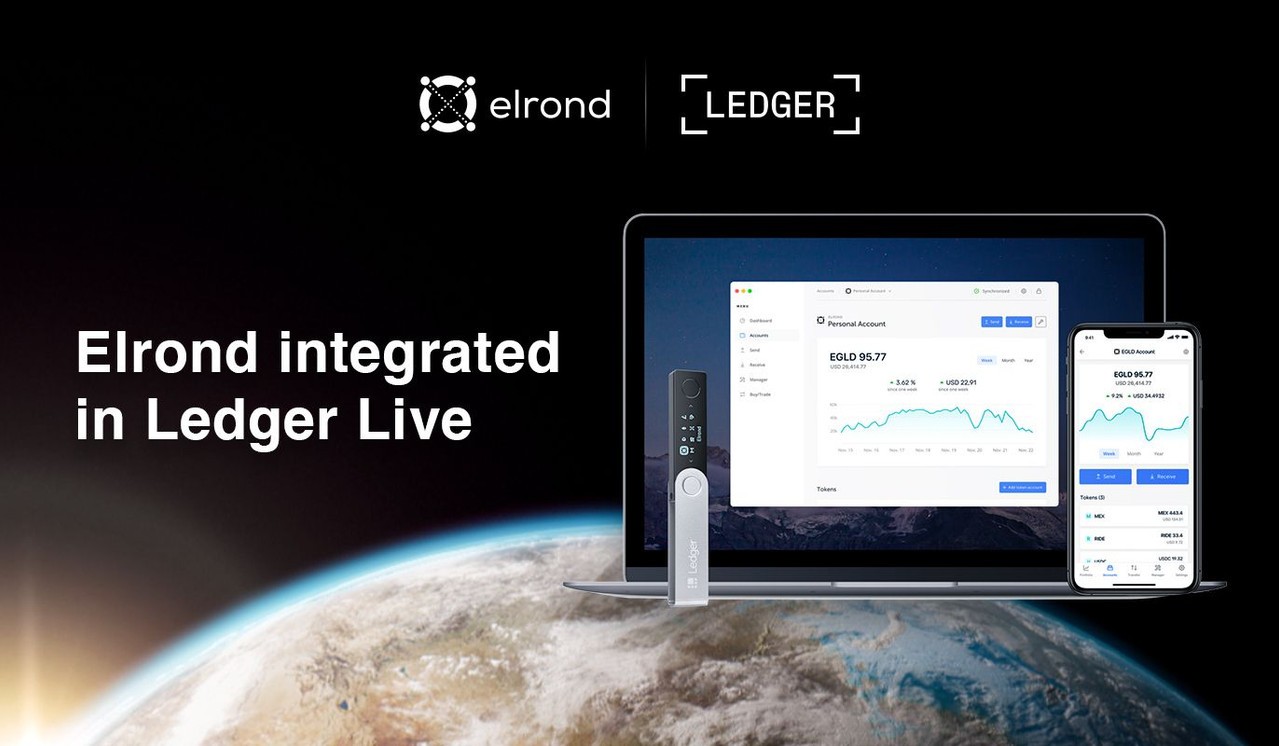
Ledger Login: The Complete Guide to Accessing Your Ledger Device Securely
Managing and securing digital assets requires more than just storing them online or trusting a centralized exchange. Hardware wallets like Ledger have become the leading solution for users who want full control of their cryptocurrencies. To interact with your Ledger hardware wallet and manage your assets, the first step is always the Ledger login process. This guide will cover everything a user needs to know about Ledger login, including the setup process, login troubleshooting, security measures, common mistakes, and tips for safe crypto management.
Ledger offers multiple hardware wallet models, such as Ledger Nano X and Ledger Nano S Plus, which are designed to store private keys offline and secure them using advanced security mechanisms. Instead of using a username and password like traditional logins, Ledger login involves physical authentication using the connected hardware wallet and Ledger Live app. Understanding exactly how this system works is crucial for ensuring you keep your assets safe at all times.
What Is Ledger Login?
Ledger login refers to the method of accessing your crypto accounts using the Ledger Live application and authentication through your Ledger hardware device. The login process is based on cryptographic verification, meaning that the Ledger device confirms your identity locally and signs transactions securely without exposing your private keys to the internet.
Ledger login is different from typical online accounts because:
You do not enter a password into Ledger Live to access assets.
The hardware wallet must be physically connected and unlocked.
Private keys never leave the Ledger device.
PIN code authorization ensures the rightful owner is accessing the wallet.
Ledger login is specifically designed to eliminate common cyber threats like phishing, malware, account breaches, and remote hacks.
Why Ledger Login Is More Secure Than Traditional Login Methods
Traditional login systems rely on centralized servers that store user credentials. If a server is breached, user data is at risk. Ledger login uses an offline-secured hardware wallet that decentralizes control. Private keys and wallet access depend entirely on an offline physical device.
Key security advantages include:
PIN protection: Unlocking the device requires a correct PIN.
Offline key storage: Private keys are never shared online.
Secure Element chip: Military-grade encryption protects the wallet.
Recovery phrase backup: Ownership can be restored even if the device is lost.
No centralized account: No email or server-based account exists to be hacked.
Even if a user’s computer is compromised, the attacker cannot gain access to the wallet without the physical Ledger device and PIN.
Components Required for Ledger Login
Before accessing your crypto through Ledger login, ensure you have the following:
A Ledger device (Ledger Nano X, Ledger Nano S Plus, or earlier models)
Ledger Live app installed on a computer or mobile device
USB cable or Bluetooth (depending on device model)
Correct PIN code for unlocking the Ledger device
Recovery phrase stored safely offline as a backup
Ledger Live acts as the interface for managing crypto accounts, while the hardware device handles the security and transaction approval.
How to Perform Ledger Login Step-by-Step
Here is a detailed breakdown of the Ledger login process for both new and existing users.
For Users Setting Up a New Ledger Device
Unbox and connect your Ledger device to your computer or smartphone.
Follow the on-screen instructions to initialize the device.
Create a PIN code and confirm it on the device.
Write down the 24-word recovery phrase provided by the device.
Verify your recovery phrase by confirming the words.
Download and install Ledger Live and set up your Ledger account.
Add accounts for each supported cryptocurrency you own.
Connect the device each time you access or manage crypto assets.
This entire setup ensures that Ledger login is bound to your physical hardware and private access credentials.
For Returning Users
Connect the Ledger device to your chosen device running Ledger Live.
Open Ledger Live and select portfolio or account management.
Enter the PIN code on the Ledger device.
Approve any necessary security prompts.
Once authenticated, you can manage assets, view balances, and confirm transactions securely.
No password entry is required in Ledger Live because the hardware device acts as the authentication factor.
What Happens During Ledger Login Behind the Scenes?
Whenever you perform Ledger login:
The device verifies your PIN locally.
Ledger Live verifies that the connected device is genuine.
Communication between the device and Ledger Live is fully encrypted.
Wallet addresses and balances are derived securely without exposing private keys.
The private keys that control your crypto always remain within the device, protected from hackers.
Common Ledger Login Issues and How to Fix Them
Even though Ledger login is simple, users may experience technical issues. Here are frequent problems and solutions.
1. Incorrect PIN Attempts
Entering the wrong PIN repeatedly will eventually reset the device, requiring recovery phrase restoration.
Solution:
Double-check PIN digits.
If unsure, use the recovery phrase to reset the device after lockout.
2. Ledger Device Not Recognized by Ledger Live
This may be caused by software or USB driver issues.
Possible solutions:
Try another USB port or cable.
Enable USB connection via device settings.
Update Ledger Live and Ledger firmware.
Restart your computer.
3. Bluetooth Connection Failures (Ledger Nano X)
Wireless interference or incorrect pairing can prevent login.
Possible solutions:
Enable Bluetooth on your phone.
Disconnect from other paired devices.
Keep the Ledger device close to the phone.
Restart both devices.
4. Ledger Live Shows “Genuine Check Failed”
This may happen if the device is outdated or communication is blocked.
Solutions:
Update firmware through Ledger Live.
Ensure internet connection is secure and stable.
Do not install software from unknown sources.
5. Lost or Damaged Ledger Device
If your device is lost or broken, you can restore access on a new device.
Solution:
Use the 24-word recovery phrase to restore your wallet.
Never share or store the recovery phrase digitally.
Security Best Practices During Ledger Login
You are responsible for your wallet security. Follow these practices:
Never photograph or store recovery phrase online.
Do not share PIN with anyone.
Always verify transaction details on the Ledger screen before confirming.
Avoid connecting the device to public computers.
Ensure firmware and Ledger Live updates come from official sources.
Enable Ledger’s passphrase feature for extra protection if desired.
Store recovery phrase in a fire-resistant and secure location.
Stay vigilant about phishing scams pretending to be Ledger.
Cybercriminals often try to trick users into entering confidential information on fake websites or apps. Ledger will never ask you for your recovery phrase.
How Ledger Login Works for Sending and Managing Crypto
Crypto transactions require two-step authentication:
Initiate transaction through Ledger Live.
Physically confirm on Ledger device by pressing buttons.
This ensures attackers cannot move funds remotely.
With Ledger login, users can:
View balances for all supported coins and tokens
Send and receive crypto
Stake assets for rewards where supported
Install and update blockchain apps
Manage NFTs on supported networks
All these functions rely on secure login authentication with the hardware wallet.
The Importance of the Recovery Phrase for Ledger Login
Your recovery phrase is the ultimate key to your crypto ownership. It is the only backup for restoring your wallet if the device is lost, damaged, or stolen.
Here is how it works:
The 24 words represent the seed from which all account keys are generated.
Anyone with the phrase can access your entire wallet.
Without it, ownership cannot be recovered.
Proper storage is critical. Do not store it online, in mobile notes, or in cloud services. Instead, write it physically or use engraved metal backup plates for long-term durability.
Tips to Strengthen Ledger Login Security Even Further
For users managing large portfolios or holding assets long-term, consider additional safeguards:
Use a passphrase as a 25th word for hidden wallets.
Maintain separate wallets for long-term holdings and frequent use.
Keep Ledger Live locked using optional password lock.
Monitor accounts regularly for unauthorized activity.
Use anti-virus protection and avoid downloading untrusted files.
Disable Bluetooth feature if not needed.
Crypto security requires layered protection and awareness.
Why Ledger Login Provides Peace of Mind
Many cryptocurrency holders worry about exchange hacks, malware, or unauthorized access. Hardware wallets solve those issues by decentralizing security. Ledger login gives users full control over their digital wealth in a way that online accounts cannot match. Private keys remain offline, physically secured, and protected behind PIN authentication and a tamper-resistant chip.
While no system is entirely infallible, Ledger login drastically reduces the most common attack vectors in the crypto world. With proper user responsibility, it is one of the safest methods available for managing cryptocurrency.
Final Thoughts
Ledger login is not just a method of accessing a wallet; it is a complete security protocol designed to safeguard digital assets using state-of-the-art cryptography and offline hardware security. Understanding the login process and following best practices enables users to maintain secure control over their cryptocurrency investments.
From the moment you unbox your Ledger device to each time you unlock and access assets through Ledger Live, security is built into every interaction. As long as users protect their PIN and recovery phrase, follow recommended precautions, and remain aware of evolving threats, Ledger login provides one of the most reliable defenses in the digital asset ecosystem.
Protecting your crypto means securing your login process. Ledger offers the confidence and peace of mind needed to manage and grow your decentralized financial future while staying fully in control.